
Occupational Stress and Caregiver Self-Care Workshop for DCPU, CHL, and JJB Personnel
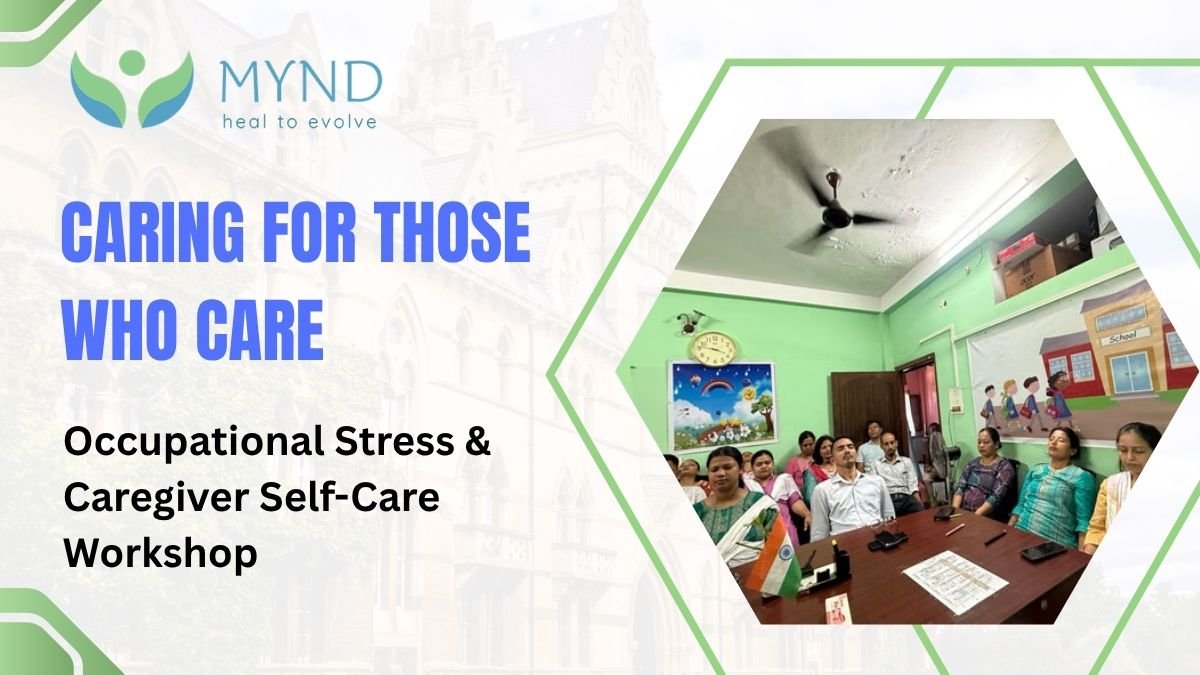
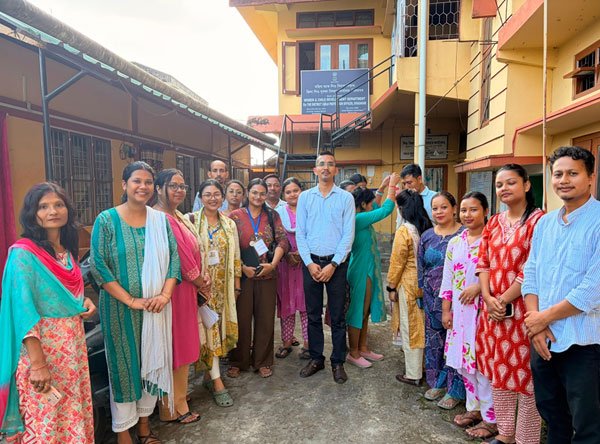
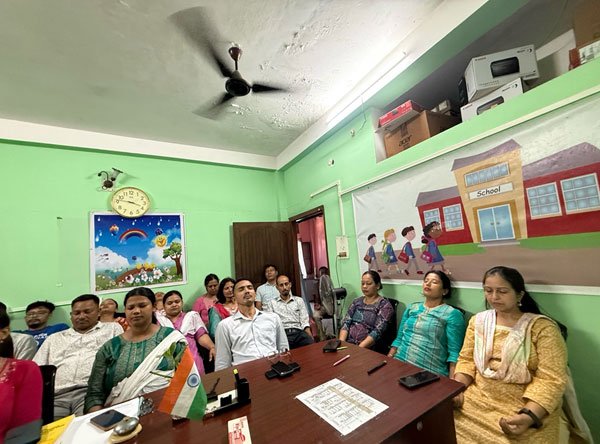
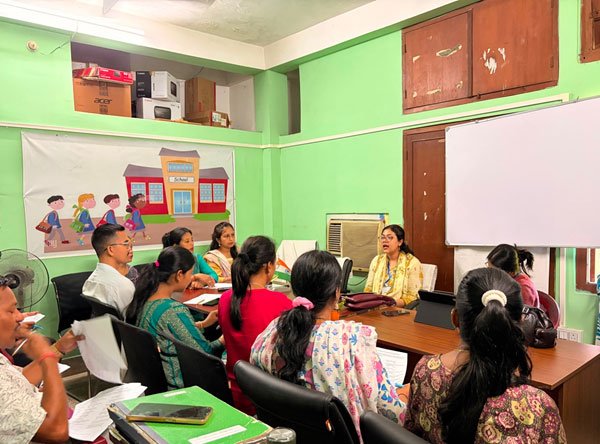
On August 14, 2026, MYND Foundation organized a specialized diagnostic and capacity-building workshop on occupational stress management and self-care in Sivasagar, Assam. The intervention was specifically designed for frontline personnel and caregivers across the District Child Protection Unit (DCPU), Child Helpline (CHL), and the Juvenile Justice Board (JJB) who face continuous secondary traumatic stress, compassion fatigue, and heavy administrative demands.
Key Diagnostic Findings & Observations:
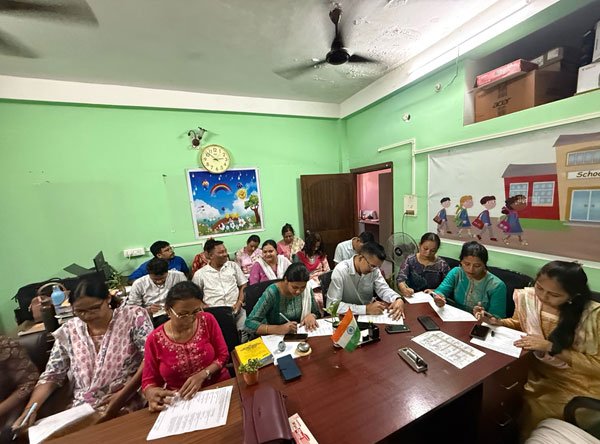
- Baseline Screening: Using the American Medical Association (AMA) / Health in Aging Foundation Caregiver Self-Assessment Questionnaire (2015), baseline stress levels were evaluated among 18 statutory child protection workers.
- High Prevalence of Distress: 11 out of 18 participants (61.1%) screened positive for a high degree of distress, highlighting widespread psychological strain and burnout across the units.
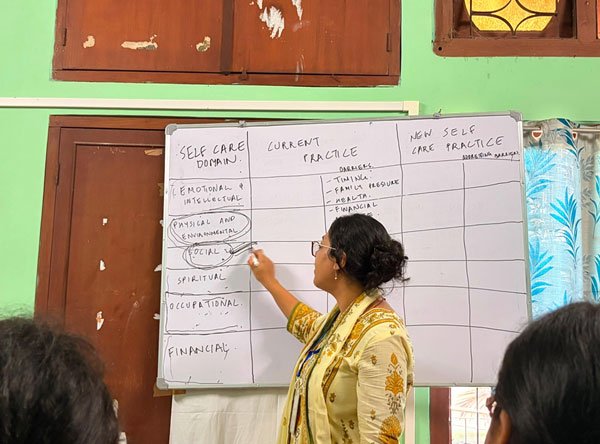
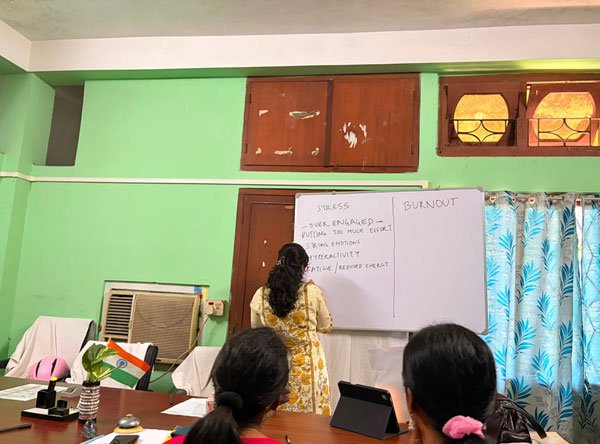
- Core Stressors Identified: Participants voiced critical drivers of occupational stress, including severe case overloads, crisis hotline fatigue, high-stakes legal decision-making, administrative pressure, and constant exposure to secondary trauma involving child abuse and exploitation.
Interventions & Capacity Building:
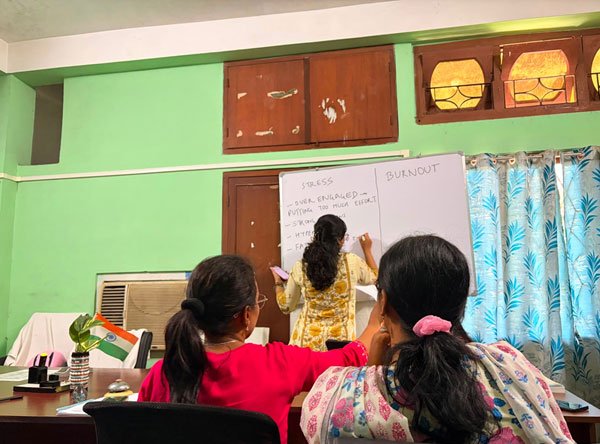
- Self-Care & Emotional Boundaries: Interactive psychoeducation sessions provided actionable guidance on setting emotional boundaries, identifying personal workplace triggers, and introducing daily micro-habits to mitigate burnout.
- Somatic Relaxation: Participants were trained in Jacobson’s Progressive Muscle Relaxation (JPMR), engaging in physical tension-and-release cycles to reduce somatic anxiety, physical hyperarousal, and stress-related tension.
Conclusion & Actionable Recommendations: With over 60% of participating personnel experiencing severe stress, institutionalizing routine mental health support is critical to sustaining the child protection ecosystem. Key recommendations include:
- Institutional Protocols: Establishing routine peer-support debriefings and integrating short JPMR sessions into shift handovers.
- Ongoing Monitoring & Debriefs: Conducting regular stress screenings and team debriefs to safely process emotionally demanding disclosures (such as severe abuse histories or crisis cases).
Capacity Building & Self-Care Training: Induction training for new personnel on stress protocols and clear referral pathways when cases exceed individual coping limits.
Comments (0)